

Going through a divorce can be one of the most stressful and emotionally draining experiences in a person’s life. It is a time filled with uncertainties and difficult decisions, making legal support crucial. Engaging experienced divorce lawyers can help navigate complex legal landscapes and provide the necessary guidance to ensure fair outcomes for all parties involved.
Divorce lawyers play a pivotal role in helping individuals understand their rights and obligations. They offer expert advice tailored to individual circumstances, assisting with everything from asset division to child custody arrangements. Having a local divorce attorney who understands the nuances of state-specific divorce laws can be incredibly beneficial.
The journey through divorce is not just about ending a marital relationship; it involves reorganizing family dynamics and finances. Family attorneys can provide comprehensive support, including advice on family mediation, aiming to resolve disputes amicably. Effective legal support is pivotal in protecting your interests and securing a fair outcome.
Local divorce attorneys are instrumental in reducing the emotional burden often associated with legal proceedings. They can demystify the legal jargon, offering clarity and relief to individuals struggling to understand complex legal concepts. By personalizing strategies to fit the client’s unique circumstances, they help alleviate stress and make the process more manageable.
Having access to a knowledgeable and empathetic legal team can act as a buffer during emotionally charged negotiations, ensuring clients remain focused on long-term goals. Divorce lawyers are not just legal consultants; they are advocates who stand by their clients’ sides from consultation through to resolution. The presence of experienced divorce lawyers can facilitate smoother communication and more effective negotiations.
The Role of Mediation in Divorce Proceedings
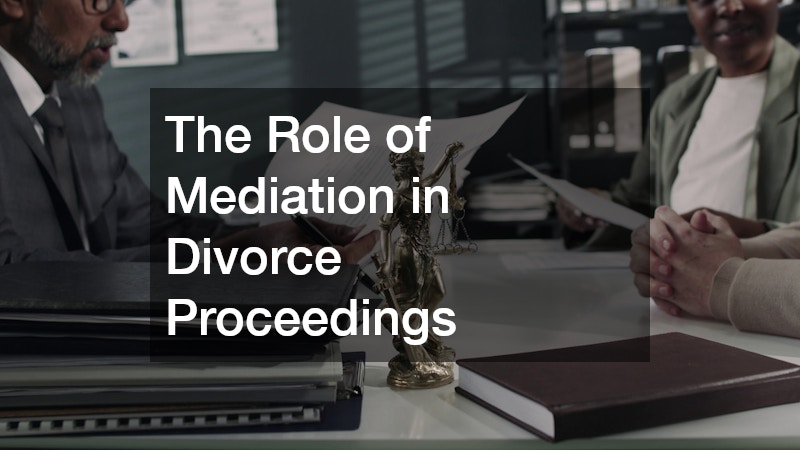
Mediation is an alternative to the often adversarial process of traditional divorce litigation. Divorce mediation focuses on collaboration rather than conflict, encouraging both parties to come to a mutually agreeable settlement. This process can be more cost-effective and less time-consuming compared to going to court.
During mediation, a neutral third-party mediator facilitates discussions between the divorcing parties, helping them reach agreements on key issues. Family mediation can play a critical role as it encourages open communication and promotes understanding, ultimately leading to a more amicable resolution.
Utilizing a family law lawyer or a child custody attorney during divorce mediation can provide additional support. They can offer expert guidance, ensuring that any agreements made during mediation comply with legal statutes and protect your rights. Mediation can significantly reduce the emotional toll of divorce by minimizing conflict and fostering a cooperative atmosphere.
One advantage of divorce mediation is its flexibility in addressing contentious issues such as parenting time and financial support. By allowing couples to discuss these matters openly, mediation can lead to tailored solutions that court-imposed decisions may not achieve. This collaborative approach often results in outcomes that are more satisfactory to both parties.
Family attorneys play a crucial role in mediation by advising their clients on potential compromises and solutions that align with their best interests. Their presence ensures that the agreements reached are not only fair but also legally enforceable. As a result, couples often experience greater satisfaction and compliance with mediated agreements over litigated outcomes.
The process of mediation also fosters a sense of empowerment, as both individuals actively contribute to the final decisions. This empowerment can translate into lower emotional stress and a smoother transition into post-divorce life. Ultimately, family mediation provides a platform for constructive dialogue, transforming an adversarial situation into a collaborative effort.
Child Custody and Support: Ensuring the Best for Your Children
One of the most challenging aspects of divorce is determining child custody and support arrangements. A child custody attorney is essential in navigating these complex issues. They assist in crafting custody agreements that prioritize the best interests of the children involved, whether it be sole custody, joint custody, or visitation rights.
Family attorneys specializing in child custody understand the importance of creating stable and nurturing environments for children post-divorce. They work closely with parents to develop parenting plans that detail custody schedules, decision-making responsibilities, and support arrangements.
The primary goal in child custody negotiations is to ensure the well-being and happiness of the children. Engaging a seasoned family law lawyer with experience in child custody can make a significant difference. They provide compassionate representation and fight for arrangements that work best for the family as a whole.
Child custody attorneys often advocate for mediation as a means to resolve parenting disagreements. Given its focus on cooperative problem-solving, mediation can be a less contentious forum to address the needs of children. The resulting parenting agreements can better reflect the unique dynamics of each family.
In cases where communication between parents is strained, a child custody attorney can provide essential communication bridges. They ensure that discussions remain focused on the child’s needs, reinforcing a child-centric approach. Their involvement ensures that both parents understand their rights and responsibilities, minimizing conflict and enhancing cooperation.
Involving a family mediation expert allows for a dedicated space to resolve remaining issues, presenting an arena where both parties feel respected and understood. Such environments foster lasting agreements that benefit children’s long-term development. As child custody attorneys often emphasize, the child’s stability remains the paramount objective.
Navigating Financial Challenges: Bankruptcy and Divorce
Financial difficulties often accompany divorce, creating additional stress during an already challenging time. In some cases, consulting with bankruptcy attorneys at law may be necessary to address overwhelming debt. Divorce can lead to changes in financial circumstances, making it essential to consider options like Chapter 13 bankruptcy.
A Chapter 13 bankruptcy attorney can assist in reorganizing debts into a manageable repayment plan. This approach can provide relief for individuals struggling with debt while navigating the financial implications of divorce. Combining expertise in both family law and bankruptcy law ensures a comprehensive strategy for financial recovery.
It is crucial to address financial issues early in the divorce process. Local divorce attorneys can collaborate with bankruptcy experts to explore all available options. This cooperation can help prevent financial hardships from escalating and provide a clear path toward financial stability post-divorce.
The role of bankruptcy attorneys at law extends to preparing clients for possible outcomes in court, should debt matters intersect with divorce proceedings. Their insights can inform decisions regarding marital asset division, ensuring that liabilities are accounted for in a fair manner. Additionally, they provide valuable foresight into how bankruptcy decisions may affect long-term financial health.
Lawyers skilled in both divorce and bankruptcy provide a seamless approach to resolving complex financial scenarios. By working in tandem, clients receive coherent advice that addresses both the emotional and financial upheaval of divorce. This unified strategy empowers individuals to rebuild their financial futures confidently.
Combining divorce mediation with expert financial guidance facilitates decisions that safeguard families from future economic strain. Mediation offers a pathway to cooperative financial planning, encouraging former partners to come to mutual agreements on liabilities. The resulting collaborative approach reflects a commitment to sustainable financial recovery.
Protecting Your Future: Alimony and Asset Division

Determining how to divide assets and address alimony can be contentious issues in divorce proceedings. Divorce lawyers play a vital role in ensuring a fair distribution of marital assets and determining appropriate alimony arrangements. An equitable settlement can facilitate a smoother transition to life post-divorce.
Family mediation can be an effective tool for addressing these financial matters outside the courtroom. With the guidance of a family law lawyer, divorcing couples can negotiate settlements that are fair and equitable. Mediation encourages dialogue and compromise, reducing the likelihood of lengthy court battles.
It’s important to remember that each divorce is unique, requiring personalized legal strategies. Local divorce attorneys understand local laws and can navigate the complexities of asset division and alimony with expertise. Their involvement ensures that your future financial security is preserved.
In addition, mediation sessions provide an opportunity for transparent discussions about each party’s needs and expectations post-divorce. This allows for more thoughtful asset division, ensuring both parties feel secure about their financial standpoints. Attorneys and mediators collaboratively devise plans that meet the unique distribution requirements of each couple.
Through the guidance of a seasoned family law lawyer, clients gain clarity on tax implications and potential legal ramifications of alimony and asset distribution. Advice from experienced divorce lawyers ensures all aspects of the settlements are legally binding and sustainable. Consequently, clients benefit from a peace of mind that aligns with long-term financial independence and security.
When disputes arise over valuations and entitlements, professional mediation can prevent these disagreements from escalating into court battles. Family attorneys draw on case precedents and contemporary legal standards to support fair resolutions. As a result, clients achieve balanced outcomes without excessive litigation costs, protecting family resources for future use.
Considering Additional Legal Support
In addition to divorce-specific legal needs, some individuals may require other legal services during the divorce process. For example, if there are concerns about future social security benefits, a social security lawyer may provide valuable assistance. They can clarify how divorce might impact eligibility and benefits.
Legal needs can extend beyond the immediate focus of divorce. A comprehensive approach considers all aspects of a client’s life, potentially involving different legal specialties. Whether it’s social security, bankruptcy, or child custody, having a network of legal professionals can facilitate effective solutions.
Cultivating relationships with various attorneys, including divorce lawyers, bankruptcy attorneys at law, and social security lawyers, can ensure that all legal bases are covered. This approach provides a holistic view, addressing both immediate and future legal concerns, and offering peace of mind during a turbulent time.
Social security lawyers often work closely with divorce lawyers to determine how marital status changes influence benefit allocations. They offer indispensable guidance on legal regulations, preventing any unintended loss of entitlements. This collaboration ensures clients have a thorough understanding of their financial trajectories post-divorce.
Moreover, various legal specialists help address unique challenges, facilitating smooth transitions from marital partnerships to independent life. By engaging multiple legal experts, individuals shield themselves from unexpected complications that can arise during and after divorce proceedings. From retirement plans to insurance policies, expert advice enables the strategic management of all personal affairs.
Individuals undergoing divorce can leverage the diverse strengths of their legal team to prepare for life beyond marriage. This combined effort allows for careful planning of current and future needs, ensuring that all possible complications are proactively addressed. Additionally, continuous support from family attorneys provides reassurance and stability, helping smooth the path to a new beginning.
The Emotional Impact: Finding Support Beyond Legal Assistance
Beyond the legal and financial complexities, divorce takes a significant emotional toll on all parties involved. Seeking emotional support can be just as crucial as finding legal guidance. Therapy or support groups can offer a safe space to process emotions and gain insights from others who have experienced similar situations.
Family mediation not only addresses legal disputes but can also foster emotional healing by encouraging positive communication and understanding. Mediators can create an environment where individuals feel heard, reducing animosity and helping to rebuild trust post-divorce.
While family attorneys and divorce lawyers handle the legal aspects, emotional well-being should not be overlooked. Addressing both legal and emotional needs holistically can lead to more effective and sustainable outcomes. Focusing on mental health and emotional resilience is key to moving forward positively after a divorce.
Support networks, including counseling services and peer-led groups, play a fundamental role in the adjustment process. Sharing experiences with those who have undergone similar life changes can offer comfort and validation, potentially lessening feelings of isolation. In turn, this community support contributes to personal growth and the development of coping strategies.
Reconstruction of one’s emotional foundation may involve learning new communication skills in order to foster better relationships. Mediation bridges emotional gaps, allowing individuals to practice these skills in a real-world context. As a result, divorced couples may maintain positive interactions and cooperation, especially when co-parenting children.
Ultimately, the dual approach of professional and emotional support facilitates a smoother transition from marriage to the next phase of life. As the legal process concludes, access to emotional resources encourages a healthy detachment from past grievances. Pursuing personal wellness and emotional fortitude positions individuals to engage with future relationships and life experiences openly and confidently.